
Optimal Seasons for Land Clearing
Land clearing is a crucial step in preparing a property for development, agriculture, or landscaping. The timing of land clearing can significantly impact the efficiency, cost, and environmental effects of the process. Understanding seasonal and weather considerations helps determine the optimal period for land clearing projects.
Spring offers longer daylight hours and generally favorable weather, making it a popular time for land clearing. However, wet soil conditions can sometimes delay work.
Summer provides dry conditions ideal for machinery operation, but high temperatures may pose safety concerns for workers and equipment.
Fall can be suitable due to cooler weather and dry soil, but early frosts might limit work late in the season.
Winter is less ideal in colder climates due to frozen ground and snow, which can hinder machinery and increase costs.
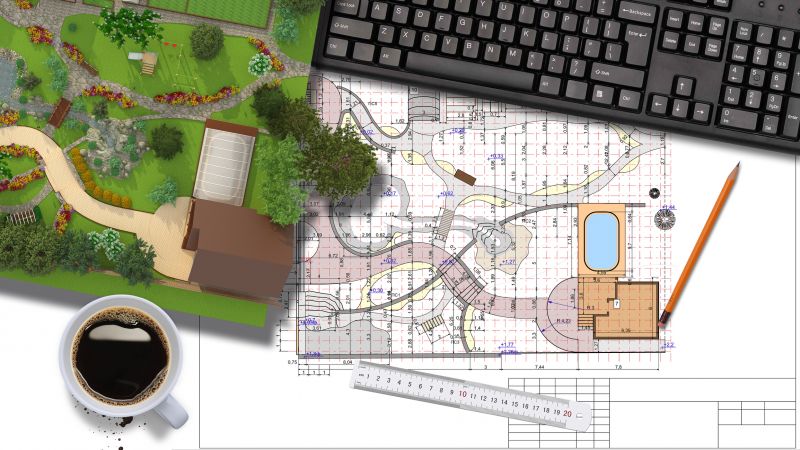
Ways to make Land Clearings work in tight or awkward layouts.
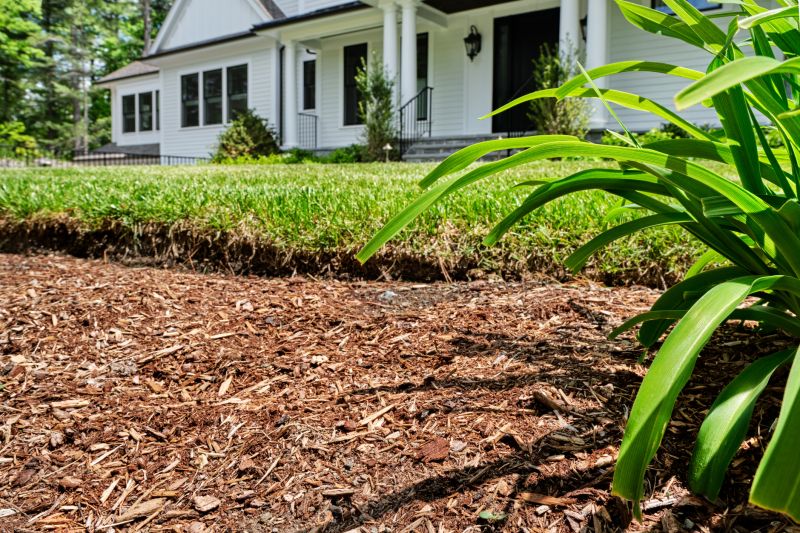
Popular materials for Land Clearings and why they hold up over time.

Simple add-ons that improve Land Clearings without blowing the budget.
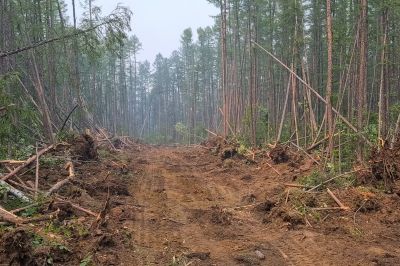
High-end options that actually feel worth it for Land Clearings.
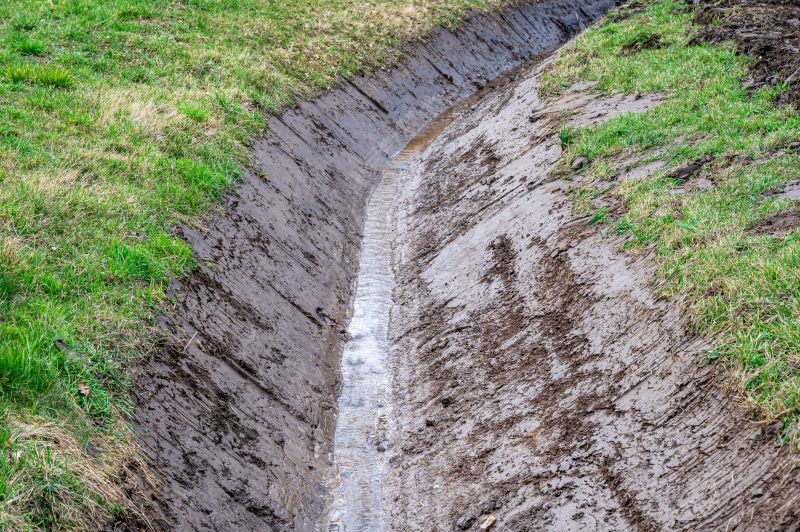
Finishes and colors that play nicely with Land Clearings.

Little measurements that prevent headaches on Land Clearings day.
| Season | Ideal Conditions |
|---|---|
| Spring | Longer days, moderate rainfall, soil moist but workable |
| Summer | Dry weather, high temperatures, optimal for machinery |
| Fall | Cooler temperatures, dry soil, less foliage |
| Winter | Frozen ground, snow cover, limited accessibility |
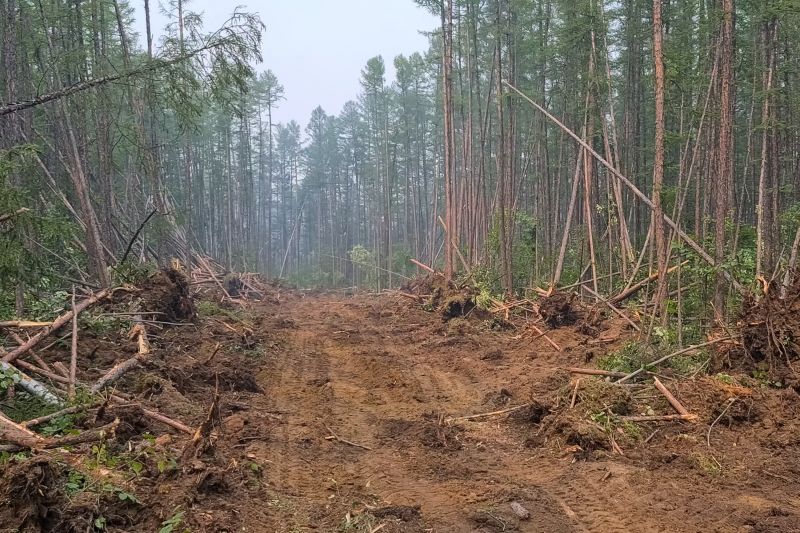
Land clearing involves removing trees, brush, and debris to prepare a site for construction, farming, or other uses. Proper timing ensures minimal disruption, reduces costs, and improves safety. Delays or improper timing can lead to soil erosion, equipment damage, or increased expenses.
Statistics indicate that land clearing projects tend to be most efficient during dry seasons, with completion times reduced by up to 30%. Planning according to seasonal conditions can also minimize environmental impact and ensure compliance with local regulations.
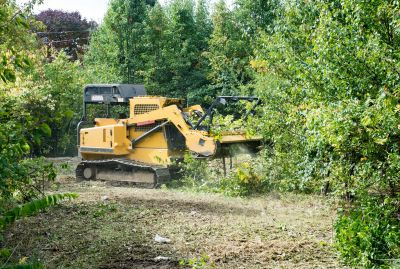
Heavy machinery used in land clearing includes bulldozers, excavators, and mulchers, which operate best in dry conditions.
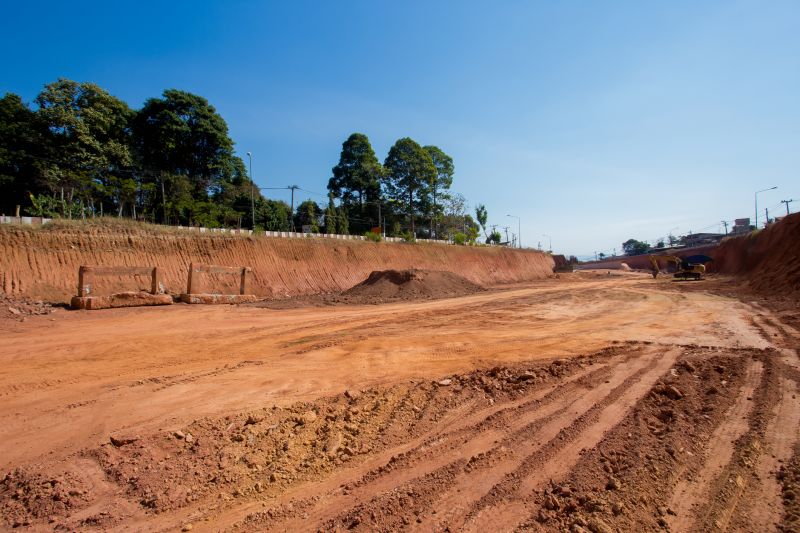
Proper timing allows for better site preparation, reducing soil compaction and erosion.

Removing vegetation during the right season prevents regrowth and invasive species spread.
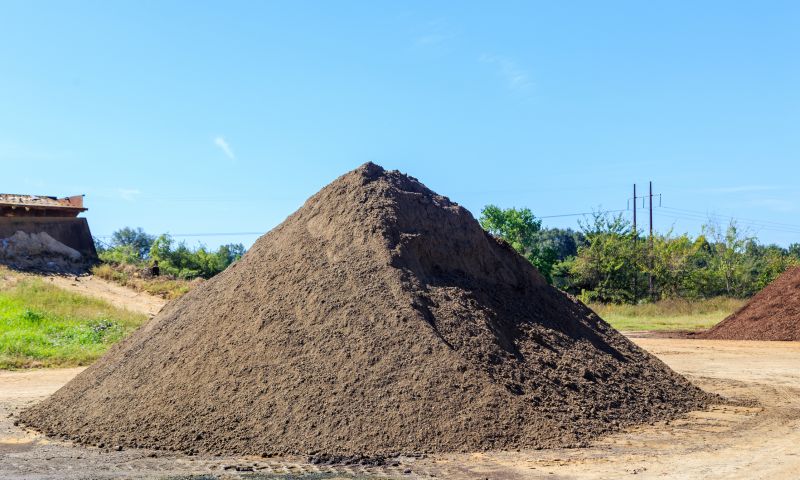
Timing can influence soil health and local ecosystems, making seasonal planning essential.

A 60-second routine that keeps Land Clearings looking new.

A frequent mistake in Land Clearings and how to dodge it.
Small tweaks to make Land Clearings safer and easier to use.
Lower-waste or water-saving choices for Land Clearings.
Interested parties are encouraged to contact for more information or to schedule a consultation regarding land clearing projects in Lancaster, PA. Proper planning and timing can lead to more efficient and cost-effective land development.